Showing posts with label carnivorous. Show all posts

21 Aug 2020

Salty Slug Love

Slippery, slimy, oozy slugs; what’s not to love? Slugs can be small and slugs can be as long as your arm! Slugs can be sausage shaped and brown, or they can have leaves, legs, and lots of rainbow colours! They can live anywhere wet, and lots live under the sea. 
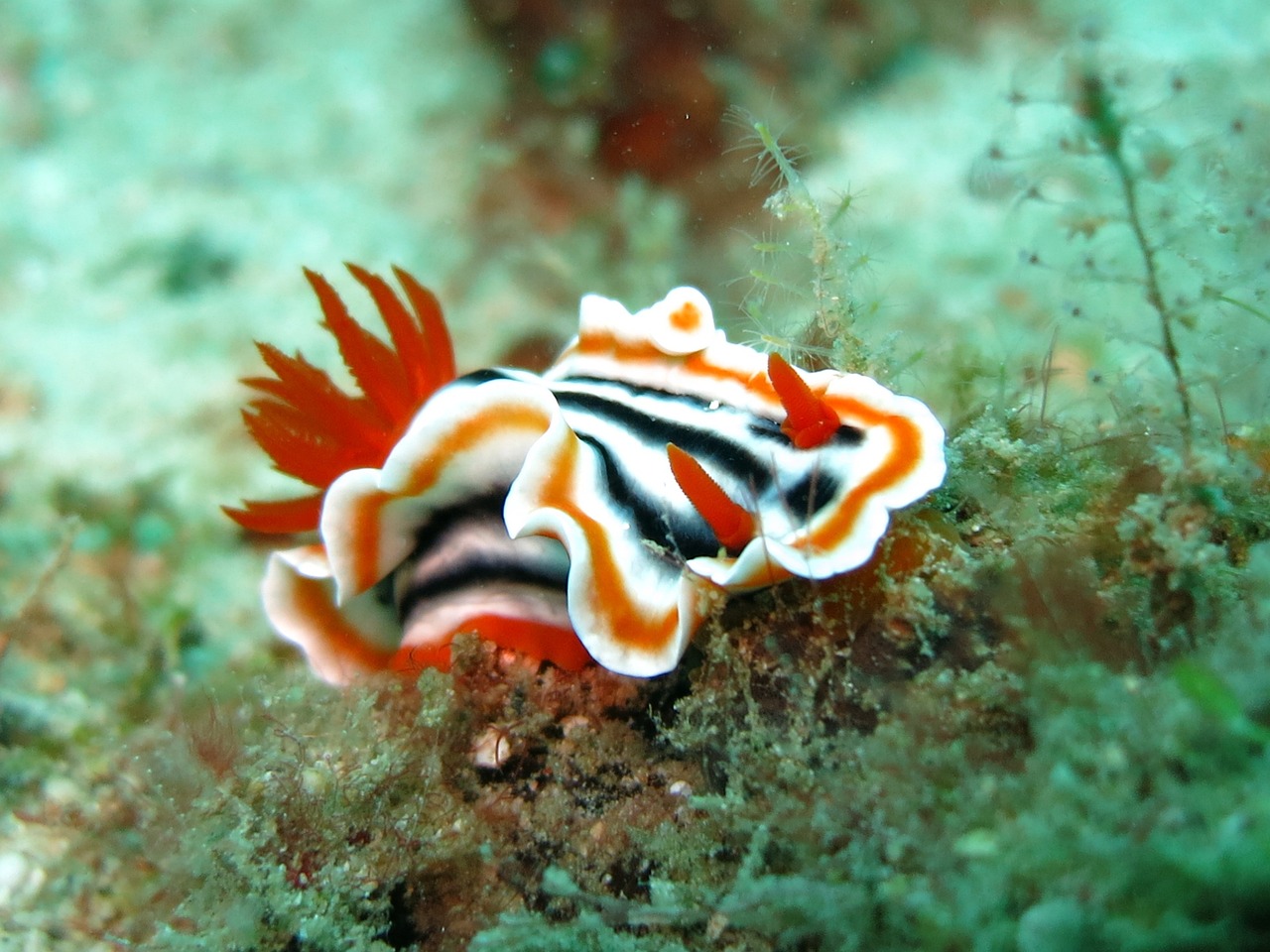
nudibranch chromodoris looks like ribbon candy

Salty Samples 

Sea slugs are a family of boneless animals that contain a particularly fancy looking molluscs called nudibranchs. Usually they’re small enough to fit on your hand, but they can be as long as a sheet of binder paper. Their shapes and colours result in names like “dragon” and “orange peel,” or “sea bunny,” “dancer” and “clown.” Start an image search and you could browse pictures of fanciful nudibranchs all day. There are more than 3000 kinds! 
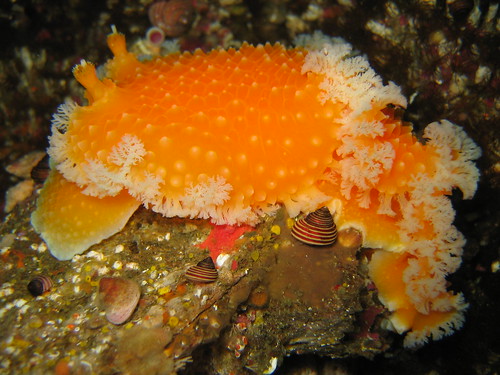
the "orange peel" nudibranch can be 50 cm long

Pantry Paint Packs 

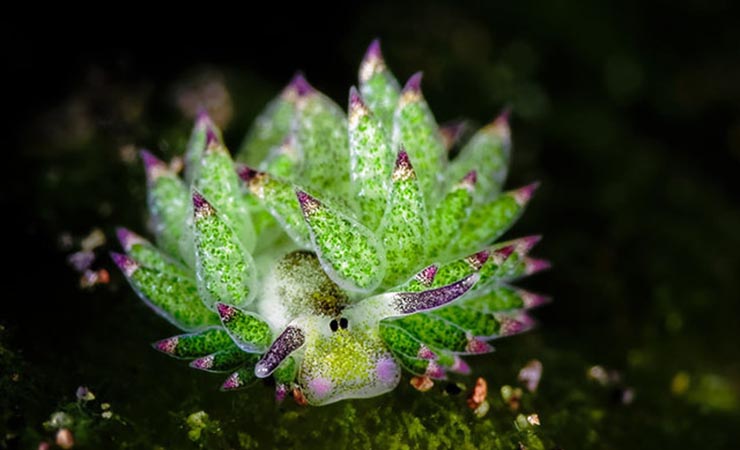
Like flamingoes get their pink colour from their food, nudibranchs get their colour from their diet too. Check out this little creature that looks like a sheep that rolled in cut grass! It’s the leafy sheeps’ algae diet that makes them green. They store the chloroplasts from their food and that means photosynthesis happens inside their bodies like it does in plants. 
Nudibranch Brunch 

Nudibranchs are carnivorous! They eat algae, sponges, and even other sea slugs. Some also eat coral and even stinging jellyfish, and that makes them a bit toxic. Like the leafy sheep keeps some chloroplasts from its food, the jellyfish eating “blue dragon” keeps some of the stinging cells from its food. Like a lot of colourful things in nature, the bright hues warn us that they can hurt. Touching them can sting. 

Making Nudibranchs 

Any two nudibranchs can make babies together, because they all have both sex organs. They’re hermaphrodites, just like earthworms and most snails are. About 5 of every 100 animal species are hermaphroditic.
A gooey ribbon of fertilized eggs will hatch into nudibranchs that look just like their parents but smaller. Depending on the type, there can be 2 eggs or 25 million! Once they leave the nest, they’ll live just a few weeks to a year. 

Notice Nudibranchs 

To see a nudibranch in person, you’ll have to go out into the ocean because they don’t survive captivity for long. But you’ll find some of these saltwater slugs along every ocean coast — except in the Arctic and Antarctic circles. They love coral reefs. You will find nudibranchs in shallow water and way down in the deep. Look on the bottom, and remember they’re usually very small. Most photos of these creatures are taken with a close-up macro lens.
nembrotha nudibranch on the mouth of a glass drink bottle

31 Aug 2018

Flesh-Eating Swarms

By Adrienne Montgomerie


The buzzing starts faintly, then grows. Around and around your head, there is buzzing. Then two buzzing things, then you are surrounded by dozens of flying yellow bodies that… go on their way. Because the meat they’re looking to feed on is not you.

You might think of a sting when you think of bees, and you most definitely think of honey. But I bet you picture their fuzzy little legs heavy with yellow pollen from flowers, not a toothy grin, ripping into flesh.

A Wide World of Bees

There are almost 20 000 types of bees, and there only five types that eat meat. Common names for these flesh-eating bees include vulture bees and carrion bees. The scientific name is for this family of bees is Tragona.

They aren’t known to go out and hunt down prey. These aren’t the killer bees of folklore. These bees don’t even have a stinger!

Vulture bees typically gnaw on carrion, like vultures do. Carrion is an animal that is already dead. The only reason these bees seem to bother with living things is to keep them away from their food.

Sharing the Meat

Vulture bees usually take the bits of meat they gnaw off a dead thing back to the hive. There they spit it up (regurgitate it) as food for baby bees (larvae). This is their only source of protein. They don’t feed on flowers or collect pollen the way that other types of bees do. Their hive still produces honey though, and it is a lot like the honey we put on toast and in tea.

Some other types of bees bring meat back to the nest, but they’re using it as a building material. Those bees don’t eat the meat.

Tracking Vulture Bees

To find a vulture bee, you could try Mexico, but you’re better off going farther south to South America.


Photo of Tragona by José Reynaldo da Fonseca - Own work, CC BY 2.5, https://commons.wikimedia.org/w/index.php?curid=969999